
11 essential questions to ask your mortgage advisor in 2026

Are you planning to buy a home in 2026? Then you know how exciting and uncertain it can be, especially with all the changes in the mortgage market.
Going into the meeting well-prepared with clear questions for your mortgage advisor really makes a difference. This way, you can avoid surprises and make better choices for your financial future.
In this article, you’ll discover the 11 essential questions you absolutely must ask your mortgage advisor. With practical tips and up-to-date insights, you’ll gain control over your situation.
After reading this, you’ll know exactly which questions to ask, so you can secure the right mortgage with confidence and certainty.
Why It's Important to Prepare for Your Mortgage Consultation
Are you planning to buy a home in 2026? If so, you’ll quickly realize that the mortgage process is becoming increasingly complicated. New rules, stricter standards, and fluctuating home prices make securing a mortgage more challenging than ever. Without proper preparation, you run the risk of missing important details. That’s why it’s wise to come up with the right questions to ask your mortgage advisor in advance.
The rules surrounding mortgages are constantly changing. Think of updated lending standards, new rules for student debt, and changes to energy efficiency ratings that affect your borrowing capacity. Research even shows that 70% of homebuyers admit afterward that they would have made different choices if they’d been better prepared. This highlights how important it is to do your homework in advance and take a critical look at your own situation.
A mortgage advisor can only provide tailored advice if you ask the right questions. For example, ask about changes in regulations, your maximum mortgage amount, and how they’ll address your personal situation. By going into the meeting well-prepared, you’ll avoid overlooking important details and increase your chances of getting the best advice. Understanding your own financial situation is essential. Make a list of your income, expenses, debts, and savings. Gather all the necessary documents so that you and the advisor can calculate and compare options right away. Want to know which documents to bring? Check out the list of documents needed for mortgage advice. This shows that you’re serious and saves time during the meeting.
Good preparation always pays off. Take, for example, the story of a client who knew exactly which questions to ask his mortgage advisor beforehand. Thanks to his preparation, he discovered he was entitled to an additional discount and a higher borrowing limit. The result? Thousands of euros saved and much less stress throughout the entire home-buying process. In short: by asking your mortgage advisor the right questions in advance and doing your homework, you’ll avoid surprises. You’ll be sure not to miss any opportunities and will be fully prepared for your mortgage consultation in 2026.

11 Essential Questions to Ask Your Mortgage Advisor for 2026
Are you about to buy a home and want to avoid any surprises? Then it’s a good idea to have the right questions ready for your mortgage advisor in advance. These 11 questions will help you have a productive mortgage consultation in 2026. This way, you can be sure you’re making the most of your options and staying in control of your financial future.
1. How is my maximum mortgage amount for 2026 calculated?
You don’t just want to know the maximum amount you can borrow, but also exactly how that calculation works. Ask your mortgage advisor which factors are taken into account, such as income, debt, your own savings, and the value of your home. The rules will change in 2026, for example, due to stricter standards for student loan debt and variable income.
Are you self-employed or do you receive bonuses? Ask how these are factored into the calculation. Note: Online tools often provide a different amount than personalized advice. The difference between a standard calculation tool and customized advice can average €10,000.
Want to know how your maximum mortgage is calculated? Check out the “Calculate Maximum Mortgage”page for more details. Start gathering your pay stubs, tax returns, and proof of your personal savings now to ensure an accurate calculation. By asking your mortgage advisor these questions, you’ll avoid missing out on opportunities.
2. How do existing debts and loans affect my mortgage?
Existing debts, such as student loans, credit cards, or private leases, directly affect your maximum mortgage amount. Different types of debt are factored into the assessment in their own way. Even a small loan or overdraft can significantly limit your borrowing capacity.
Student loan debt, for example, can reduce your maximum mortgage amount by thousands of euros. One in three homebuyers runs into this issue. Your mortgage advisor can give you tips on how to manage these debts wisely before you apply.
Make a list of all your debts and discuss them openly with your advisor. This way, you’ll avoid any surprises later on. Don’t forget to ask your mortgage advisor these questions to get an honest picture of your options.
3. What are appropriate monthly payments for my situation?
Borrowing the maximum amount sounds appealing, but it isn’t always wise. You want to be able to live comfortably without struggling every month. Ask your mortgage advisor how to determine your ideal monthly payments.
Take into account fixed expenses such as mortgage interest, principal payments, insurance, and service fees. Add variable expenses like utilities and maintenance to that total. Below is an example of monthly payments for different mortgage options:
Mortgage Amount
€300,000
€400,000
Monthly Payment (gross)
€1,250
€1,650
Monthly payment (net)
€1,000
€1,300
40% of buyers underestimate their monthly expenses. So make sure you have a financial cushion and discuss this in detail with your mortgage advisor.
4. How much of my own money will I need to buy a home in 2026?
In 2026, you’ll be allowed to finance up to 100% of the market value. You’ll have to pay all additional costs—such as buyer’s fees, notary fees, and appraisal costs—yourself. For existing homes, this averages an additional 3–5%; for new construction (freehold), it’s often less.
For a home priced at €400,000, you should expect to contribute about €12,000 to €20,000 of your own funds. You can supplement this with savings, a gift, or equity from a previous home. In 2025, the average down payment was €17,000.
Make a list of your savings and discuss with your advisor how best to use them. Don’t forget to ask your mortgage advisor these questions to develop a realistic purchase plan.
5. What if I already own a home?
Do you already own a home? Ask your mortgage advisor about your options: can you transfer your mortgage, do you need to refinance, or do you have to pay it off upon sale? What should you do with any remaining debt or, conversely, with equity?
You’ll often need a bridge loan if you buy a new home before your old one is sold. Follow a step-by-step plan: prepare for the sale, determine the equity, arrange a new mortgage, and coordinate the timing. All of this requires careful planning and regular consultation with your advisor.
Be sure to discuss these questions with your mortgage advisor so you can make a smooth transition to your next home.
6. How can I improve my chances in the current housing market?
In a tight market, you want to stand out as a buyer. Ask your advisor how you can make yourself more attractive to sellers, for example by limiting the financing contingency or securing a mortgage pre-approval.
A quick mortgage commitment strengthens your offer. Work with your real estate agent and advisor to develop the best strategy. Note: 65% of homes are sold without a financing contingency, but this comes with risks.
For first-time buyers and those moving up the housing ladder, there are additional tips, such as being able to immediately demonstrate your financial situation. Put these questions for your mortgage advisor at the top of your list for a better chance of success.
7. What options do I have for renovations or sustainability improvements with my mortgage?
Do you want to renovate or make your home more sustainable? Ask about the renovation account and the rules for 2026. For energy-saving measures, you may sometimes qualify for additional borrowing capacity or subsidies.
A renovation fund works like a separate account from which you pay your renovation bills. Ask about subsidies and tax benefits, especially for new construction or if you want to finance additional work.
Discuss with your advisor how you can finance sustainability improvements wisely. Don’t forget to ask your mortgage advisor these questions if you have plans for a more sustainable home.
8. Can I refinance my mortgage, and what are the benefits?
Refinancing can be a good option if the interest rate is lower than your current mortgage rate, or if you want to adjust your loan term. Ask your mortgage advisor about the costs and benefits, such as prepayment penalties and notary fees.
Not every type of mortgage is suitable for refinancing. For example: with a 1% interest rate reduction on €300,000, you can easily save €150 per month. On average, favorable refinancing deals result in significant monthly savings.
Ask about the terms and the best time to switch. Add these questions for your mortgage advisor to your list if you want to save on your monthly payments.
9. How much can I pay off extra without incurring a penalty?
Many lenders allow you to make penalty-free extra payments of 10–20% of your mortgage balance each year. Ask your advisor about the specific rules of your lender.
Making extra payments lowers your monthly payments and total interest costs, but can also affect your tax benefits. An extra payment of €10,000 immediately reduces your monthly payment.
Ask your mortgage advisor when making extra payments is a smart move in your situation. Don’t forget to discuss these questions with your mortgage advisor to create an optimal financial plan.
10. What happens if my personal situation changes?
Life is constantly changing. Ask your advisor what happens in the event of death, disability, unemployment, or divorce.
What types of insurance are relevant, such as life insurance or disability insurance? What happens if you start living with a partner or when you retire? One in five homeowners experiences a major life change.
Get sound advice on contracts, wills, and arrangements. By asking your mortgage advisor these questions, you’ll be prepared for unexpected situations.
11. What are the costs of mortgage advice and additional services?
Mortgage advice isn’t free. Ask your advisor about their rates: do they charge a flat fee or an hourly rate? What’s included—just the advice, or also brokerage services and insurance?
Compare traditional and modern advisors. In 2025, the average advisory fee was around €2,500. Always ask for an itemized cost breakdown and pay attention to the fine print.
By asking these questions of your mortgage advisor, you’ll know exactly where you stand and avoid any surprises later on.
Independent Mortgage Advice: Your Peace of Mind in 2026
An independent mortgage advisor is your guide through the ever-changing mortgage landscape of 2026. Because they’re not tied to any one bank, you’ll have access to more than 35 mortgage lenders. This means more choices, better interest rates, and flexible terms that truly fit your situation.
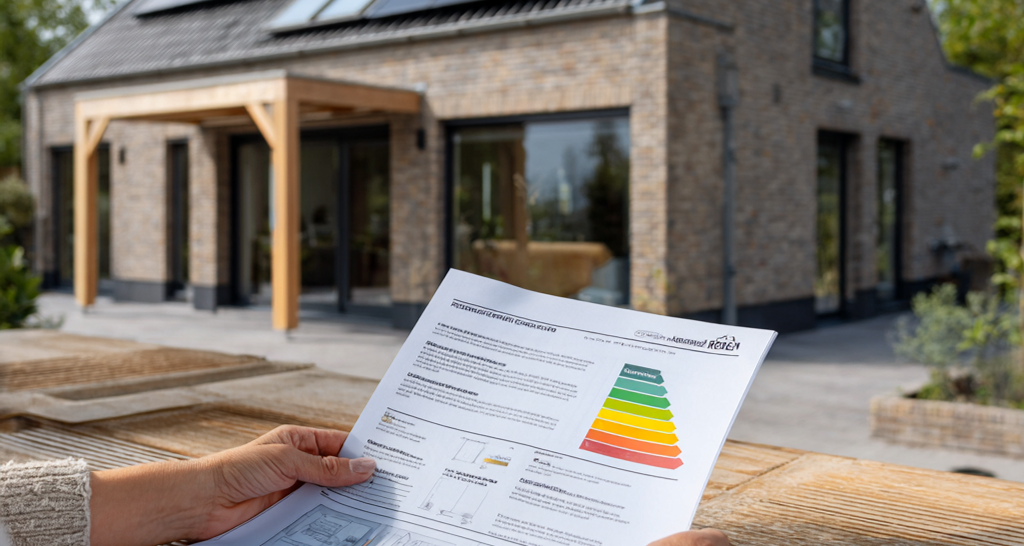
Why is this so important? Everyone has unique needs and plans for the future. Especially as a first-time homebuyer, self-employed individual, or expat, you don’t want to be stuck with one-size-fits-all solutions. Independent advice ensures that your financial plans align with your life—not the other way around. Research shows that homeowners who choose an independent advisor are 30% more satisfied with their mortgage. One of our clients even saved €8,000 by not accepting a bank’s first offer.
There’s a big difference between a bank advisor and an independent advisor. While a bank primarily offers its own products, an independent advisor takes a broader view. This ensures you get a more honest answer to all your mortgage questions and helps you avoid missing out on important options. Want to know exactly what the benefits are? Read more about the benefitsof independent mortgage advicehere .
When making your choice, prioritize reliability. Always ask about credentials, licenses, and feedback from other clients. Check whether the advisor is transparent about costs and follow-up support. These days, digital advice and personal guidance go hand in hand, making the process clear and pleasant. This way, you can ask your mortgage advisor any questions with confidence and be sure that your interests come first.
Practical Tips for Your Mortgage Consultation in 2026
A well-prepared mortgage consultation makes all the difference between stress and peace of mind. Do you want to avoid surprises and truly benefit from your mortgage advisor’s advice? Then thorough preparation is essential. This way, you’ll ask your mortgage advisor the right questions and get the most out of the consultation.
Checklist for a flying start:
- Make a summary of your current financial situation: income, savings, and loans.
- Clearly outline your housing preferences and future plans.
- Gather all relevant documents in advance. Think of pay stubs, annual statements, proof of savings, and any debts. This will help you get quick and specific answers to your questions from your mortgage advisor.
Required document
Pay stubs/annual tax statements
Overview of debts
Savings balance
Home purchase contract
Why is this required?
Income verification
Determining borrowing capacity
Down payment
Appraisal and evaluation
Set your priorities in advance. What matters most to you: the lowest interest rate, flexibility when moving, or sustainability? This will help you avoid being caught off guard by choices during the consultation.
Always ask for a detailed breakdown of costs. Know what you’re paying for advice, brokerage, and additional services. Want to learn more about current costs and what to watch out for? Read “Mortgage Advice Costs in 2026 ” for a clear overview.
Take the time to compare quotes. Write down all the advisor’s answers so you can easily review them later. This way, you stay in control and can ask targeted follow-up questions.
Finally, ask about after-sales support and availability after you’ve closed on your mortgage. Don’t be left with unanswered questions after signing. Use online tools to prepare, but rely on personalized advice tailored to your situation. With this approach, you’ll be fully prepared and get the most out of your consultation with a mortgage advisor.
Now that you know exactly which questions to ask a mortgage advisor for a worry-free purchase in 2026, the next step is to discuss your personal situation with an expert who truly thinks along with you. At Roling Advies, you’ll receive independent advice tailored to your wishes and plans, so you won’t encounter any surprises and will always get the most out of your mortgage. Would you like to know what your maximum mortgage amount is, or are you curious about your options? Simply schedule an appointment today via “Schedule an Appointment” and take the first step toward your dream home together.

Owner Roling Advies
Ready for personal mortgage advice?
Every situation is different. I compare over 35 mortgage lenders and give you clear, independent advice — fully online.